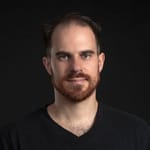
Tara Viswanathan is the founder and CEO of Rupa Health, a platform dedicated to making root-cause medicine accessible by streamlining the complex logistics of specialty laboratory testing. Driven by a personal obsession with functional medicine and her experiences as a product manager at Parsley Health, she has built Rupa into a cornerstone of the modern health-tech ecosystem while championing a unique, high-energy company culture.
Part 1: The Evolution of Root-Cause Medicine
- On Clinical Logistics: "Healthcare is 20% clinical and 80% logistics; the science is there, but the infrastructure to deliver it is often the primary bottleneck." — Source: Pear Healthcare Playbook
- On the Future of Medicine: "Root cause medicine will be the standard of care in the next 10 years because patients are finally demanding answers, not just temporary prescriptions." — Source: Rupa Health Magazine
- On Personalized Diagnostics: "The next generation of personalized medicine relies on moving away from symptom management toward identifying the fundamental biological drivers of disease." — Source: Forbes 30 Under 30
- On Health Data Abundance: "We are moving into an era of health data abundance where the challenge is no longer getting the data, but making it actionable for the practitioner." — Source: Metacast Data-Driven Health
- On Functional Medicine Accessibility: "Functional medicine should not be a luxury; our goal is to build the tools that make this high-touch care financially and operationally scalable." — Source: Heads Up Health Podcast
- On Systems Thinking: "In medicine, if you only treat the symptom, you are ignoring the system; root cause medicine is the ultimate application of systems thinking to human health." — Source: Substack - The Generalist
- On Specialty Lab Work: "Specialty lab work used to be an operational nightmare for doctors; by consolidating it, we allow practitioners to focus on the patient instead of the paperwork." — Source: Capbase Founder Stories
- On Patient Empowerment: "When a patient can see their biomarkers on a screen, they move from being a passive recipient of care to an active participant in their own healing." — Source: Rupa Health YouTube
- On Chronic Disease: "The rise of chronic disease is a sign that our current reactive healthcare model is failing; we need a proactive model that looks at the body as a whole." — Source: Spreaker - Modern Health
- On Lab Results Literacy: "A lab result is just a number until it is contextualized within a patient's story; infrastructure must bridge the gap between data and narrative." — Source: Data-Driven Health
Part 2: Entrepreneurial Grit and Strategic Pivoting
- On Sheer Desperation: "Sometimes sheer desperation is the best motivator for a founder; it forces you to stop over-analyzing and start building out of necessity." — Source: Zero to Umm
- On Painful Pivots: "Don't be afraid of the painful pivot; the first version of Rupa was a nutrition app, but we realized the real pain point was in the lab infrastructure." — Source: First Round Review
- On Finding Product-Market Fit: "Product-market fit isn't a single moment of 'Eureka'; it’s a series of small, often frustrating iterations that eventually lead to a pull from the market." — Source: Capbase
- On Building in the Early Days: "In the beginning, you have to be willing to do the unscalable work—manually calling labs and faxing orders—to truly understand the user's pain." — Source: Pear VC Interview
- On Market Timing: "Being 'early' to a market feels like being wrong for a long time until suddenly you're the only one positioned for the takeoff." — Source: Medium
- On Action Over Analysis: "In a startup, you can spend six months researching or one week shipping; shipping is almost always the faster way to get the right answer." — Source: Zero to Umm
- On Problem Obsession: "Fall in love with the problem, not your first solution; your solution will change ten times, but the problem remains your North Star." — Source: First Round Review
- On Scaling Trust: "Trust is the hardest thing to scale in healthcare; you build it by being obsessively reliable on the small things before you ask for the big things." — Source: Heads Up Health
- On Fundraising Rejection: "Every 'no' from an investor is just a data point on how to better articulate your vision for the next conversation." — Source: Necessary VC
- On First-Time Founder Challenges: "The hardest part of being a first-time founder is not knowing what 'normal' looks like, so you have to trust your gut more than the playbooks." — Source: First Round Review
Part 3: Culture and "The Rupa Way"
- On Taking Work Seriously: "We take our mission extremely seriously, but we don't take ourselves seriously at all—that balance is essential for longevity." — Source: Rupa Health Notion
- On Contagious Energy: "Energy is a choice; showing up with contagious enthusiasm is how you build a movement, not just a software company." — Source: Channel of Growth
- On Costumes and Spontaneity: "Costumes and spontaneity aren't just for fun—they are cultural tools that build deep trust and create psychological safety within the team." — Source: Get Lighthouse
- On Authenticity: "Being your authentic self at work allows you to spend your energy on solving problems rather than maintaining a professional facade." — Source: Rupa Health Notion
- On Remote Connection: "In a remote-first world, you have to be intentional about creating 'Zoom-magic'—moments of connection that feel as real as being in person." — Source: Wellfound
- On Extremely High Standards: "High standards are the ultimate form of respect for your teammates; it shows you believe they are capable of greatness." — Source: Rupa Health Notion
- On the Ownership Mindset: "Every person at the company should act like an owner, which means spotting problems and taking it upon themselves to find a solution." — Source: First Round Review
- On Caring Like Family: "We treat our partners and customers like friends and family; that level of care is our secret weapon in a commoditized industry." — Source: Rupa Health Notion
- On Curiosity and Optimism: "An optimistic team sees a challenge as an opportunity for innovation, while a cynical team sees it as a reason to quit." — Source: Channel of Growth
- On Building a Brand: "Your culture is your brand; what your employees say about you on their worst day is the truth of your company's identity." — Source: Zero to Umm
Part 4: Hiring and Team Strategy
- On Hiring Contractors First: "In the early days, hiring external contractors allowed us to test specific roles and business needs before committing to a full-time head count." — Source: First Round Review
- On The 30-Day 'North Star' Plan: "When hiring, skip the generic job description and give candidates a 30-day North Star plan to see how they actually execute against goals." — Source: First Round Review
- On Excellent and Friendly: "Skills can be taught, but being 'excellent and friendly' is a non-negotiable personality trait that defines our team." — Source: Channel of Growth
- On Personal Brand in Recruitment: "Your personal brand as a founder is your most effective asset for attracting top talent who believe in the mission before they even apply." — Source: YouTube / Rupa Health
- On Scaling the Team Too Early: "The biggest mistake I made was hiring too many people before we truly found product-market fit; lean teams move faster." — Source: First Round Review
- On Mission Alignment: "You can't pay someone enough to care as much as someone who is genuinely obsessed with the problem you're solving." — Source: Pear Healthcare Playbook
- On Interviewing for Grit: "I look for people who have faced significant obstacles and pushed through; startups are just one obstacle after another." — Source: Zero to Umm
- On Leadership Vulnerability: "A leader who admits they don't have all the answers creates a culture where everyone feels safe to ask questions and learn." — Source: Medium
- On the Hiring Bar: "Never lower your hiring bar because you are 'desperate' for a role; a bad hire costs far more than an empty seat." — Source: First Round Review
- On Mentorship and Coaching: "Early-stage founders should find a coach who has been in the trenches; their perspective is worth more than any business book." — Source: Necessary VC
Part 5: Personal Growth and The Founder’s Mindset
- On Emotional Growth Spurts: "I view the hardest days as emotional growth spurts; they are the periods where you are forced to expand your capacity as a human." — Source: Zencare
- On Stream-of-Consciousness Journaling: "Stream-of-consciousness journaling is my ultimate tool for processing the chaos of startup life and finding clarity." — Source: Medium
- On The Speed of Learning: "The only real competitive advantage a first-time founder has is their speed of learning and adaptation." — Source: YouTube / Stanford GSB
- On Gut Instinct: "Data is important, but at the end of the day, a founder’s most powerful tool is their gut instinct on which direction to move." — Source: Pear VC
- On Mental Resilience: "Resilience isn't about not getting knocked down; it's about how quickly you can process the failure and get back to work." — Source: Zencare
- On Self-Care for Founders: "You cannot build a healthy company if you are an unhealthy leader; sleep and mental health are strategic assets." — Source: Medium
- On the Power of Obsession: "To solve a problem as big as healthcare, you need a decade-long obsession, not just a three-year business plan." — Source: Rupa Health Magazine
- On Dealing with Uncertainty: "The job of a CEO is to be comfortable making decisions in a permanent state of high uncertainty." — Source: First Round Review
- On Continuous Reflection: "Weekly reflection is how you ensure you are solving the right problems, not just busy-working on the easy ones." — Source: Zero to Umm
- On Building Legacy: "Ultimately, we aren't just building a platform; we are trying to raise the standard of living for everyone on the planet." — Source: Medium